What is actually in these files
At 260 by 370mm this is the smallest tabloid covered here, and it is printed flat rather than folded, which changes how you should think about the inside edge. There is no fold to lose text into, but the specification still asks for the 10mm margin on the top, bottom and outer edge. The grid in these files keeps the same clearance on the inside anyway, because a flat sheet is usually still read as a spread.
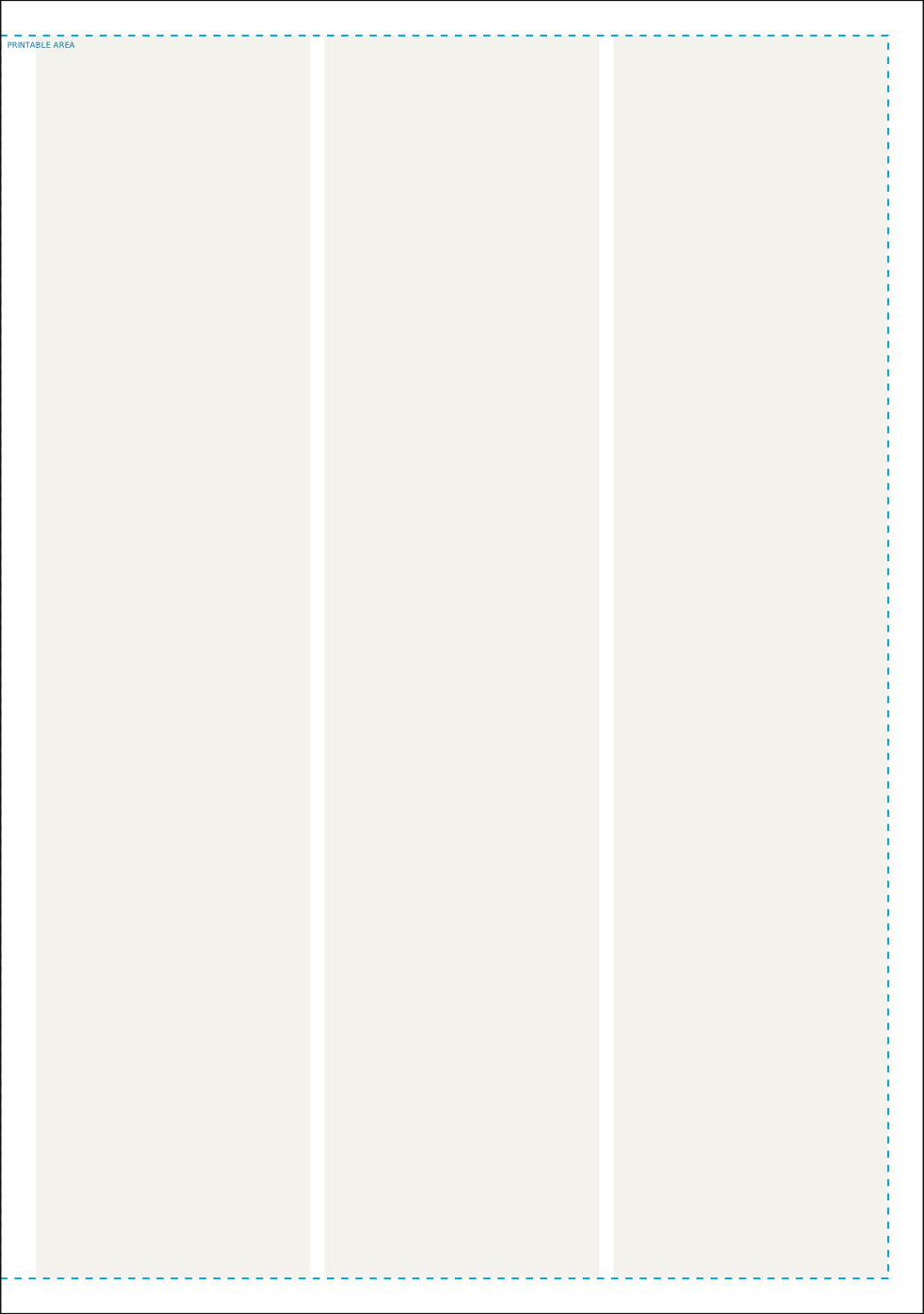
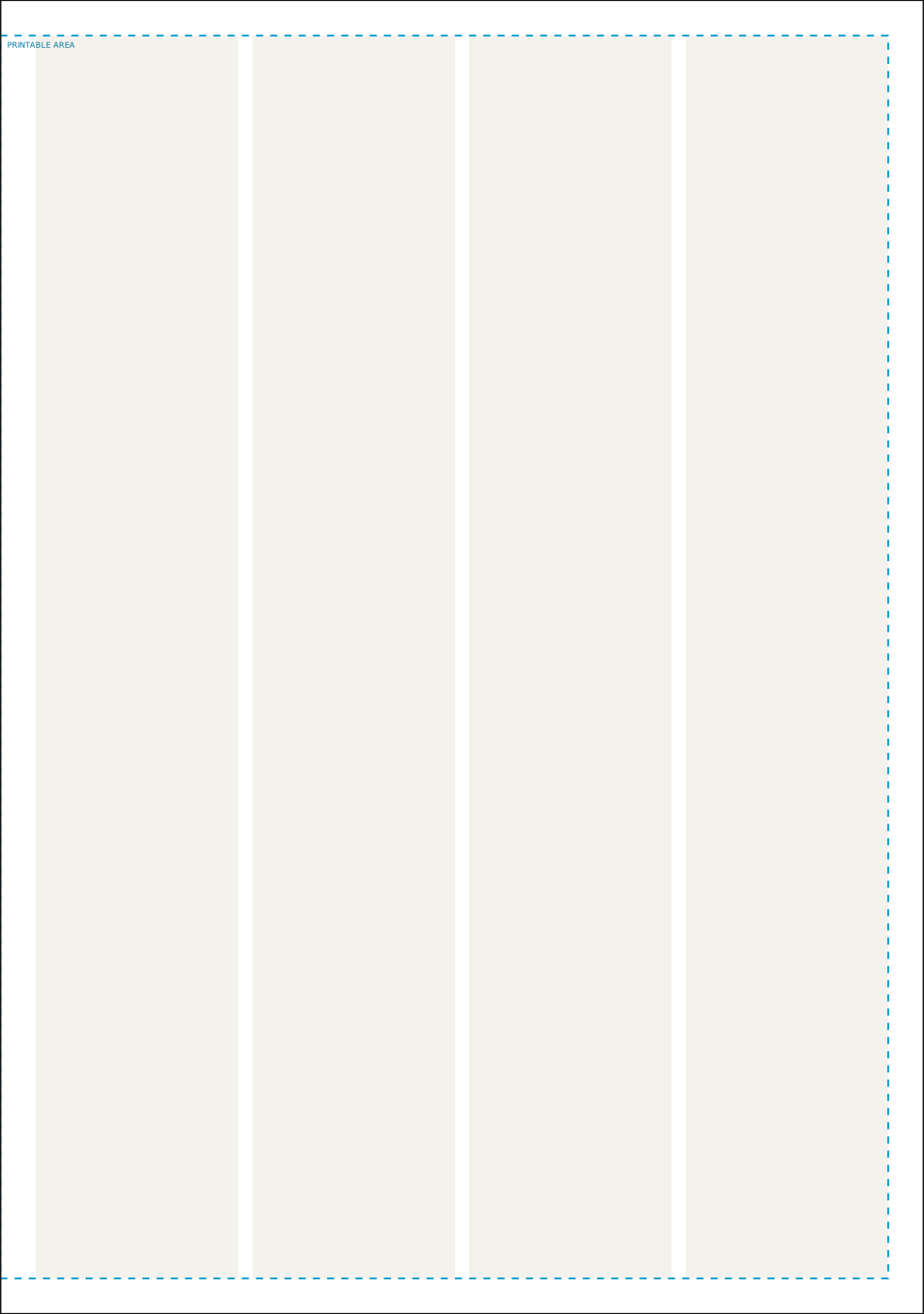
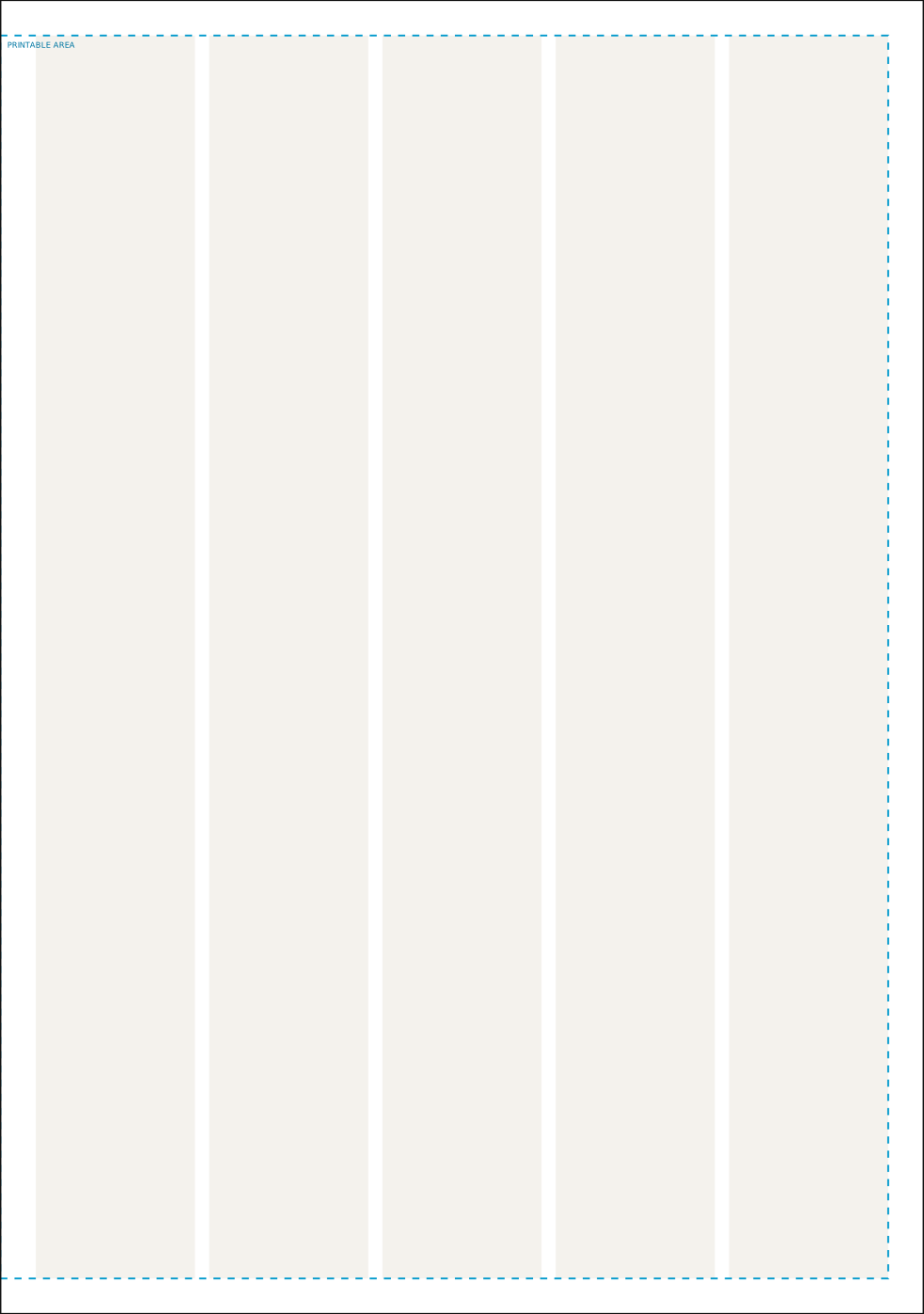
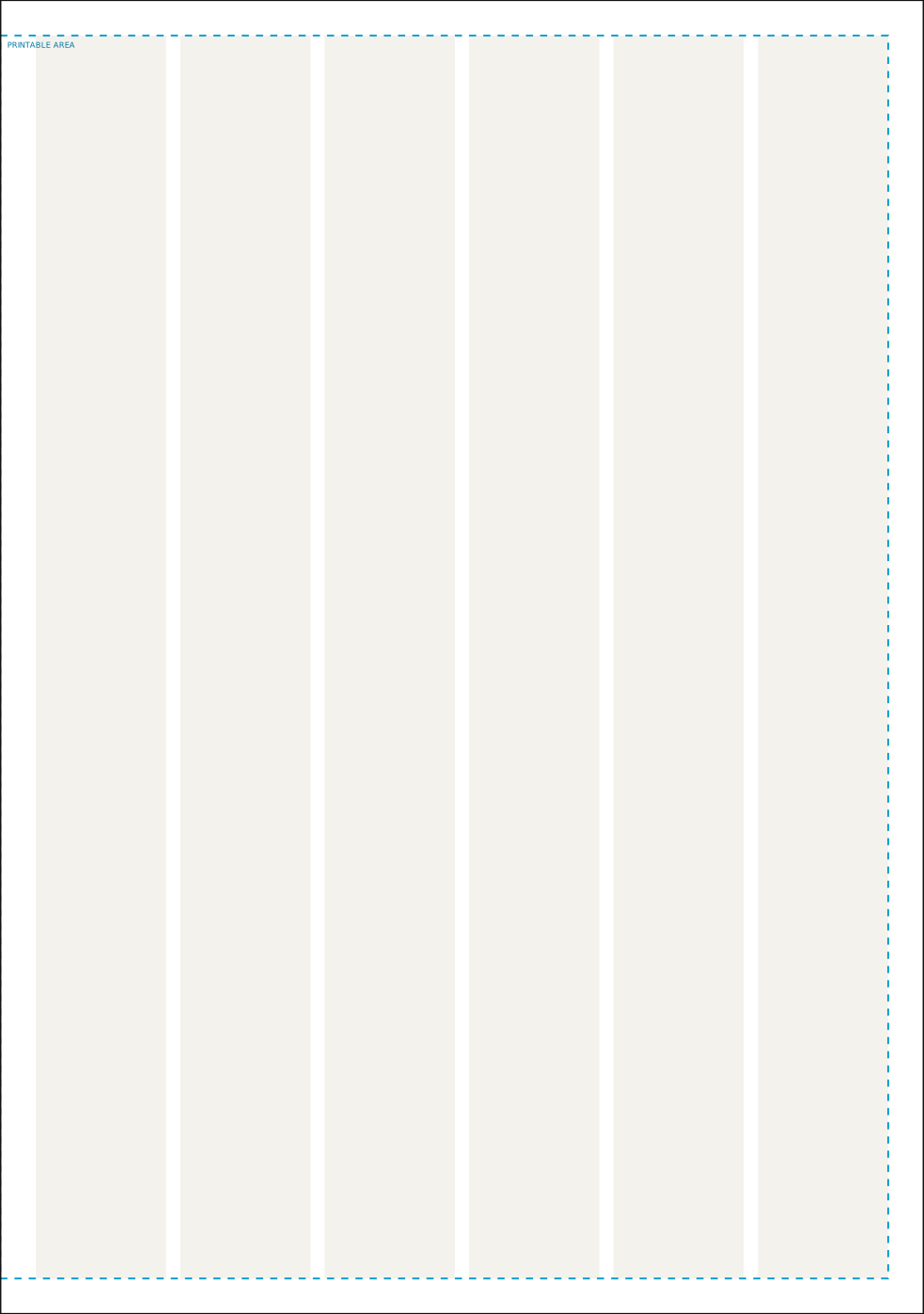
Each file carries three pieces of geometry and keeps them visually distinct, because they are not the same kind of thing. The black outline is the trim: where the guillotine comes down and the finished 260 by 370 millimetre page begins. The cyan dashed box is PrintNewspaper's required printable area, 250 by 350 millimetres, which is their rule and not our opinion. The pale tinted blocks are the column grid, which is our recommendation and the only thing on the page you should feel free to ignore.
Why the columns do not fill the whole printable area
PrintNewspaper asks for its 10mm margin on the top, bottom and outer edge and says nothing about the inside edge, because that edge vanishes into the fold. Technically you may run text right up to it. In practice the fold swallows the last few millimetres of every line, so the column grid in these files keeps the same 10mm clear on the inside as well. That is the one place where the template is stricter than the specification, and the cyan box is drawn where PrintNewspaper actually allows so you can see the difference and overrule us if you want it.
There is no bleed, and that changes what you export
PrintNewspaper does not accept bleed on this format, so the template is exactly the trim size and there is nothing extra around the edge. When you export, turn crop marks off and set bleed to zero. A PDF with 3mm of bleed and a set of crop marks is the single most common reason a newspaper file gets sent back, and it happens because most design software adds both by default.
Which column count to choose
There is no correct answer, but there is a readable range. A column narrower than about 40 millimetres forces so many hyphens that the text starts to look shredded; a column wider than about 80 makes the eye lose its place on the return sweep. On this format the four options work out as follows.
| Columns | Width | Width | Reads as |
|---|---|---|---|
| 3 | 77.3 mm | 3.04 in | Comfortable for body text |
| 4 | 57.0 mm | 2.24 in | Comfortable for body text |
| 5 | 44.8 mm | 1.76 in | Comfortable for body text |
| 6 | 36.7 mm | 1.44 in | Tight, expect a lot of hyphenation |
If you are printing a paper that is mostly writing, fewer and wider columns read better. If it is mostly pictures and short items, more and narrower columns give you more places to put things. School and community papers usually land on four or five.
Opening the files
InDesign
Run the .jsx script rather than opening the PDF. Go to File, then Scripts, then double click the file, or drop it into your Scripts Panel folder first. It builds a new document at the right size with the margins, the column grid and the per-edge bleed already set, and it does not touch anything you have open. Everything it does is plain text in the file, so you can read it before you run it.
Illustrator, Affinity, Inkscape and Figma
Open the .svg. All of the guide geometry sits in a single group called guides, so when the layout is finished you select that one group, delete it, and what remains is your artwork on a correctly sized artboard. There is also an empty group called artwork to build inside if you like working that way.
Word
The Word file is set to 260 by 370 millimetres with a 10mm margin on every edge and the columns already configured, so you can type straight into it. Word has no idea what bleed is and no per-edge margin control worth using, which is why it gets the margin on all four sides rather than only the ones PrintNewspaper requires. That is more conservative than the specification, never less, so a Word file laid out this way will always pass.
Canva, Publisher and everything else
Anything that lets you set a custom document size can use the PDF as a background reference: place it, lock it, build on top, then remove it before you export. For Canva specifically, the numbers to type into the resize box are on the Canva newspaper setup guide, and the thing to watch for is that Canva will happily let you place text outside the printable area without warning you.
Before you send the file
One thing no template can do for you is fix the page count. PrintNewspaper prints this format in multiples of 4, from 4 to 48, and a file with the wrong number of pages is rejected before anyone looks at the design. The InDesign script opens a 4 page document to start you off on the right multiple. If you are unsure how many pages your writing will fill, the words to pages estimator will tell you before you start laying anything out.
Check your photographs as well as your layout. Newsprint is absorbent and unforgiving, and an image that looks acceptable on screen at 100 percent can be well under the resolution PrintNewspaper needs. The image DPI checker will tell you the effective resolution of a photograph at the size you are actually printing it, which is the number that matters rather than the one in the file's properties.
Finally, read the full PrintNewspaper Tabloid specification before you order. These templates encode the geometry, but they cannot encode colour handling, font embedding or file naming, and those are the other three reasons files come back.
Figures on this page come from PrintNewspaper artwork guidelines, read on 2026-08-20. Presses vary and printers revise their guidelines, so run a test PDF through their own preflight before you order.